 Reviews


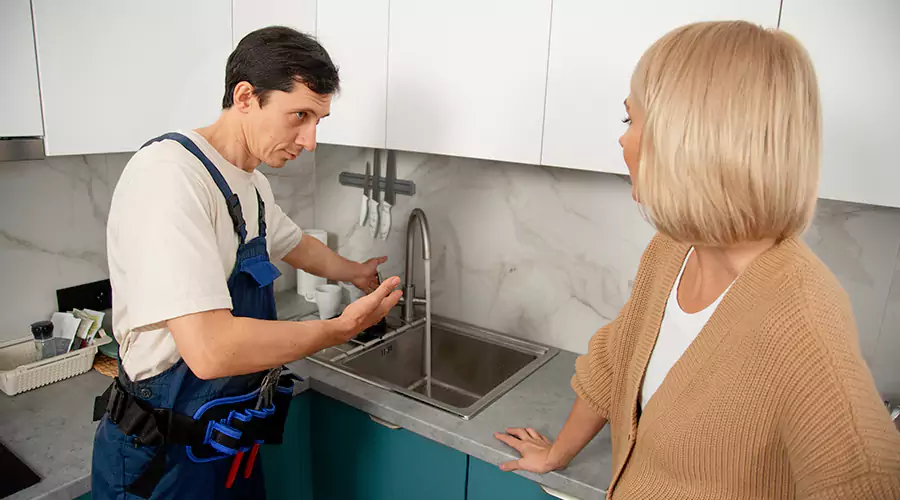
Standing under a weak shower in the morning is nobody's idea of a good start. Filling a pot at the kitchen sink takes twice as long as it should, and rinsing soap off your hands feels like a battle. Low water pressure is a problem that quietly affects your entire routine, and it tends to get worse when left alone.
Getting to the root cause early saves you time, money, and a lot of unnecessary frustration.
What Counts as Normal Water Pressure?
Residential water pressure in the United States typically sits between 40 and 80 PSI. Below 40 PSI, you will feel the difference at every tap and fixture in your home.
Picking up a simple pressure gauge from a hardware store costs about $10. Attach it to an outdoor spigot, turn the water on all the way, and the dial gives you your reading instantly.
A result below 40 PSI means your home has a genuine low pressure issue that deserves a closer look.
What Is Causing the Low Pressure in Your Home?
The Main Shut-Off Valve Needs to Be Checked First
Every home has a main shut-off valve positioned near the water meter or at the point where the supply line comes into the house. When this valve sits even slightly closed, it chokes water flow to every single fixture.
Walking over to check it takes about 60 seconds. Rotate it fully counterclockwise and confirm it is open all the way. Plenty of homeowners discover this is the only step they need to take.
Mineral Scale Is Narrowing Your Pipes
Years of hard water running through your pipes leave behind calcium and magnesium deposits that coat the inner walls. As the buildup thickens, less water gets through and pressure drops noticeably.
Older properties with original galvanized steel pipes suffer from this problem the most. Homes in areas with high hard water levels also see pressure decline gradually over time as scale accumulates inside the supply lines.
Severe cases require a professional to assess and replace the affected sections of pipe.
Your Pressure Regulator May Have Worn Out
A pressure reducing valve, commonly called a PRV, sits on the main supply line and controls the pressure coming into your home. Most regulators perform reliably for 10 to 15 years before they start to wear out.
When a PRV begins to fail, pressure either drops sharply or swings up and down unpredictably throughout the day. Homes that enjoyed steady pressure for many years and then experienced a sudden drop often have a regulator that has reached the end of its service life.
Swapping out a pressure regulator is work that a licensed plumber handles best.
A Leak Inside the Home Is Stealing Your Water
Pipes that leak behind walls, beneath floors, or under the yard divert water away from your fixtures before it ever arrives. Even a modest leak shrinks the water volume available throughout the home and shows up as weak pressure at the tap.
Pay attention to a water bill that climbs without any change in how much water your household uses. Listen for the sound of running water inside walls when every fixture is turned off. Look for soft patches on floors, damp spots on ceilings, or unexplained staining on walls.
Reaching out to a plumber quickly prevents the kind of structural damage that turns a simple repair into a major renovation.
Buildup Inside the Fixture Itself Is the Culprit
Sometimes the pipes are perfectly fine and the blockage lives right at the fixture. Hard water deposits settle inside faucet aerators and shower heads over months of use, cutting water flow down to a trickle at that specific spot.
If only one faucet or shower runs weak while everything else in the house works normally, this is almost certainly the reason.
Unscrewing the aerator from the faucet tip and soaking it in white vinegar for half an hour dissolves the buildup completely. Securing a vinegar-filled plastic bag over the shower head overnight does the same job without removing the fixture. Both methods cost nothing and restore full pressure without touching a single pipe.
Your Neighborhood Is Drawing Heavy Demand
Peak usage hours put stress on the municipal supply line that feeds your street. Early mornings before work and evenings after dinner are the times when demand spikes the most across a neighborhood.
If pressure dips at predictable times each day and then recovers on its own, the local water supply is likely working harder than usual during those windows. Calling your water utility company confirms whether scheduled maintenance or unusually high demand is affecting your area.
Too Many Fixtures Running at the Same Time
Running the washing machine, dishwasher, and shower simultaneously asks more of your supply line than it can comfortably deliver. Spreading water-heavy tasks across different times of day often reduces this kind of pressure drop without any repairs at all.
Practical Fixes for Low Water Pressure
Start by Opening the Main Valve Completely
Verifying that the main shut-off valve is fully open is the fastest possible first step. It requires no tools, no cost, and no experience, and it immediately rules out the most straightforward cause on the list.
Clear Out the Aerator and Shower Head
Soaking mineral-clogged aerators and shower heads in white vinegar on a regular basis keeps individual fixtures flowing at full strength. Building this into your routine every few months prevents the gradual pressure loss that catches many homeowners off guard.
Add a Water Pressure Booster Pump
Homes that consistently receive low pressure from the municipal supply benefit greatly from a water pressure booster pump installed on the main line. It raises pressure across every fixture in the house and provides a lasting improvement for properties where the incoming supply simply runs too low.
Sizing the pump correctly for your home requires professional installation.
Have the Pressure Regulator Tested and Replaced
Asking a licensed plumber to test the PRV pinpoints whether a failing regulator is responsible for the pressure drop. Replacing it restores steady, reliable pressure throughout the home and usually resolves sudden drops that appear without any other clear cause.
Replace Old Pipes With Modern Materials
Switching out corroded galvanized pipes for copper or PEX pipe removes the root cause of mineral-related pressure loss permanently. Repiping improves water quality alongside pressure and protects the home from the ongoing damage that deteriorating pipes cause over time.
Pressure Problems in Specific Parts of the Home
Only the Shower Runs Weak
Leaving the shower head soaking in vinegar overnight clears most mineral blockages without removing the fixture. If that does not restore full pressure, swapping in a new shower head is a quick and inexpensive upgrade that takes about 10 minutes.
Only the Kitchen Sink Runs Weak
Pulling out and soaking the faucet aerator covers the most likely cause. Also confirm that the supply valve sitting beneath the sink cabinet is turned fully open before assuming a deeper pipe issue is involved.
Hot Water Runs Weak but Cold Is Fine
Sediment settling at the bottom of the water heater tank restricts how freely hot water flows out of the unit. Flushing the tank once a year clears that sediment and keeps hot water pressure consistent across every fixture that relies on it.
Knowing When Professional Help Is the Right Move
Cleaning an aerator or opening a valve are tasks any homeowner can handle confidently. Bringing in a licensed plumber makes sense when the pressure is low across the entire home with no clear explanation, when a hidden leak is suspected, when the pressure regulator needs professional assessment, or when older pipes are due for replacement, as water line repair may be necessary.
Professional plumbers carry diagnostic tools including pipe cameras and pressure testing equipment that identify problems invisible to the naked eye. Getting an expert involved early keeps a fixable issue from developing into serious and costly damage.
Summary
Low water pressure is more than a minor inconvenience. It signals something in your plumbing system that deserves attention, whether that is a partially closed valve, mineral-clogged pipes, a worn pressure regulator, or a leak working quietly out of sight. Tackling the easy checks first makes sense. Opening the main valve, soaking the aerators, and testing pressure at different fixtures costs nothing and eliminates the most common causes quickly.
Tougher problems call for professional help. Acting on those sooner rather than later protects your pipes, your home, and your wallet from the kind of damage that grows worse the longer it goes unaddressed. Strong water pressure is not a luxury. It is something every home deserves, and achieving it is well within reach with the right approach.